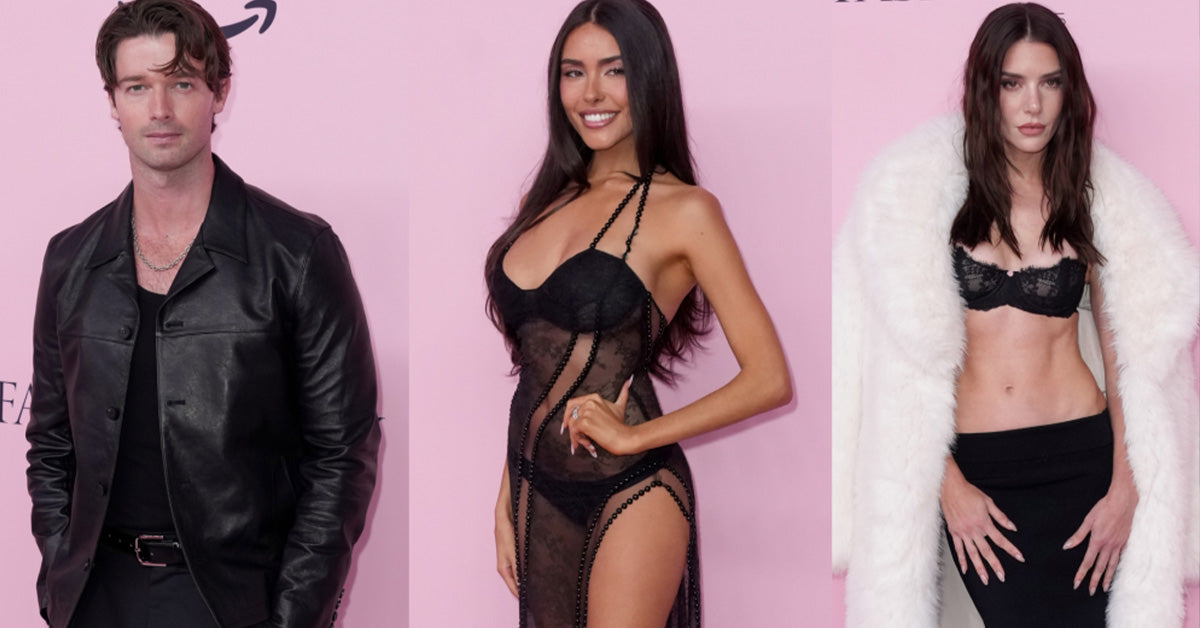
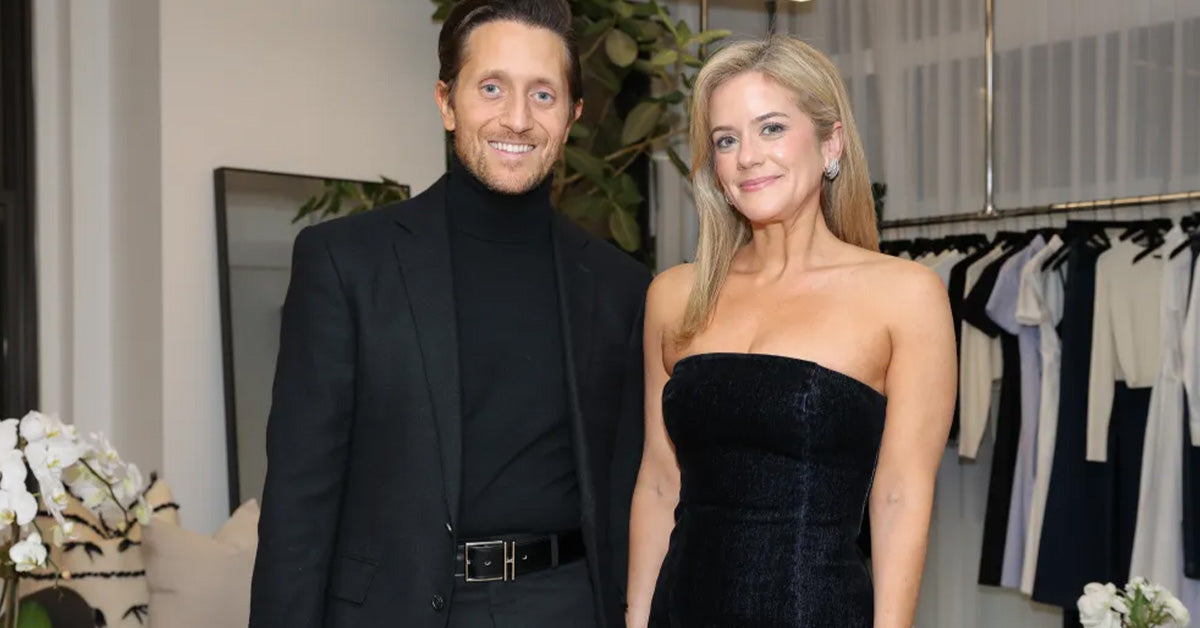
When Women’s Wear Daily dedicates column inches to a holiday party, the subtext is rarely just about champagne and canapés. The recent coverage of Toccin’s holiday celebration in New York City signals a sophisticated recalibration for the contemporary label founded by Michael and Alex Toccin. No longer content to operate merely as a successful direct-to-consumer entity or a digitally native newcomer, Toccin is utilizing the "soft power" of the intimate, editorially visible gathering to cement its status as an institutional New York label. This event wasn't just a celebration of the season; it was a strategic deployment of community-building designed to navigate a volatile wholesale market, asserting that the brand’s "grown-up contemporary" aesthetic is not just a product category, but a thriving social ecosystem.

The Strategic Pivot: From Digital Darlings to Social Anchors
The fashion industry is currently witnessing a fascinating shift in how mid-tier contemporary brands assert their dominance. For years, the playbook relied heavily on performance marketing—meta-ads, paid influencer posts, and algorithmic dominance. However, the Toccin holiday event illustrates a maturation of strategy that aligns more closely with heritage luxury houses than scrappy startups. By convening a curated mix of editors, influencers, and "friends of the brand" in a physical New York City venue, Michael and Alex Toccin are executing a classic reputational pivot.
The narrative emerging from this event, particularly through the lens of industry bibles like WWD, is one of stability and social capital. In an era where digital noise is at an all-time high, physical presence has become the ultimate luxury. The event positioned Toccin not as a brand seeking discovery, but as a host facilitating connection. This distinction is subtle but critical. It moves the brand perception from "something I saw on Instagram" to "a room I want to be in."
Furthermore, the timing of this "power party" is impeccable. As the industry grapples with the "quiet luxury" hangover and a return to expressive dressing, Toccin is staking a claim on the "celebratory middle"—clothing that is polished enough for a board meeting but festive enough for the holiday circuit. This dual-utility positioning is difficult to convey in a static e-commerce image but becomes self-evident in a room full of women wearing the collection while holding cocktails.

The Economics of Intimacy: Why IRL Matters Now
Underneath the veneer of holiday cheer lies a rigorous economic logic. The contemporary market, specifically the $250–$500 dress category, is facing significant headwinds. Wholesale partners are cautious, physical retail footprint is expensive, and customer acquisition costs on social platforms have skyrocketed. In this climate, the "editorialized community event" emerges as a high-efficiency marketing vehicle.
Consider the "content flywheel" effect of a single night. A traditional photoshoot is a closed loop—the brand produces images and pushes them out. A holiday party, however, is an open-source content engine. Dozens of attendees—ranging from high-profile fashion editors to micro-influencers with highly engaged, niche audiences—generate organic content simultaneously. They post Reels of the venue, the food, and crucially, the clothes in motion. This creates a "surround sound" effect on social media that feels organic rather than purchased.
Data suggests that for contemporary brands, the Holiday and Resort seasons can contribute up to 35% of annual dress-category revenues. By timing this event at the precipice of the party season, Toccin is driving short-term sell-through with high-intent buyers. The attendees serve as live mannequins, proving the fit and fabric quality to their followers in real-time. It is a credibility signal to retailers (like Nordstrom and specialty boutiques) that the brand has a pulse, a following, and cultural relevance that transcends a lookbook.

Alex Toccin: The Founder-Influencer Hybrid
A central pillar of this strategy is the unique positioning of co-founder Alexandra (Alex) Toccin. In the modern fashion landscape, the separation between "brand" and "founder" is increasingly dissolving, yet few navigate this as effectively as the Toccins. Alex does not just design the lifestyle; she embodies it. Her personal social channels amplify the brand channels, creating a double-helix of reach that is difficult for competitors to replicate.
The holiday party reinforced her role not just as a creative director, but as the "First Lady" of the Toccin community. For the target demographic—professional women, mothers, and socialites who need to look pulled together without looking like fashion victims—Alex creates a permission structure. If she is wearing the structured mini-dress to host a high-stakes industry event, it validates the purchase for the customer watching from the suburbs or a secondary city.
This "founder-as-muse" dynamic reduces the friction of trust. When WWD covers the event, they aren't just covering a faceless corporation; they are covering a personality embedded in the NYC social fabric. This humanizes the business and protects the brand from the commoditization that plagues many contemporary labels. The party wasn't just about the clothes; it was about buying into Alex’s world—a world that is aspirational yet attainable.
The Aesthetic Code: Hybrid-Polished Dressing
The fashion displayed at the event—and subsequently circulated across Instagram and TikTok—reveals a specific aesthetic intelligence. We are seeing a move away from the extreme casualization of the pandemic years, but also a rejection of the impractical, avant-garde styles that dominate high-fashion runaways. Toccin captures the "Hybrid-Polished" aesthetic: structured blazers, tailored mini and midi dresses, and separates that utilize emeralds, metallics, and rich blacks.
This aesthetic serves the "smart social office" demand. As corporate dress codes loosen but the pressure to be "camera ready" increases (due to the ubiquity of social media documentation), women require garments that serve multiple masters. A Toccin dress seen at the party is designed to survive an 8-hour workday and transition seamlessly to a holiday dinner. The feedback loop from the event highlights comments on fabric quality and "wearability with polish"—a clear indication that the customer is prioritizing longevity and versatility over fast-fashion trends.
The absence of overt sustainability messaging at the event is also noteworthy. While the brand focuses on quality and structure, the primary value proposition here is re-wearability. By creating "forever pieces" for the social calendar, Toccin addresses the eco-conscious consumer through the lens of "cost-per-wear" rather than through raw material certifications—a pragmatic approach that resonates with their specific market segment.
Timeline: The Evolution of Toccin
- The Origins: Michael and Alex Toccin establish themselves as voices in the fashion space, leveraging Alex’s content creation and Michael’s business acumen to build a digital following.
- The Launch: Toccin emerges as a DTC-focused contemporary label, prioritizing the "working woman" aesthetic and filling the gap between fast fashion and luxury designer price points.
- The Expansion: The brand gains traction with select wholesale partners (specialty stores, Nordstrom) and begins building an influencer seeding network.
- The Pivot (Current): The WWD-covered holiday party marks the shift to "Institutional Status." The brand utilizes IRL events to signal longevity, community, and high-fashion credibility.
Industry Reaction and The "Micro-Bubble" Effect
Analyzing the fallout from the event reveals a distinct "ecosystem trend." While the party did not generate mass-market viral spikes on platforms like X (formerly Twitter) or Reddit, it achieved high saturation within NYC fashion micro-bubbles. This is often more valuable than viral fame for a brand in this price bracket. The goal is not to reach everyone; the goal is to reach the right everyone.
Stylists, PR agents, and editors—the gatekeepers of the industry—treated the event as a legitimate calendar moment. The sentiment across social media reflected a "constructive friction." While the imagery was aspirational, comments regarding pricing ("a little pricey for me right now") and sizing ("do you carry petite?") indicate high purchase intent. The audience isn't just scrolling; they are evaluating the feasibility of owning the look.
Contradictions in the coverage actually served the brand well. WWD framed it as a serious fashion news item, while attendee posts framed it as a "chic girls' night." This duality allows Toccin to maintain industry prestige while remaining approachable to the consumer—a difficult balance that this event navigated with precision.
Future Forecast: What This Signals
Looking ahead, the success of this event suggests a specific roadmap for Toccin and the wider contemporary sector.
1. The Rise of "Retail-tainment" 2.0
Expect Toccin to double down on IRL experiences. We anticipate a move toward regional trunk shows or "hosted dinners" in key affluent markets outside of New York (e.g., Dallas, Chicago, Palm Beach). If the NYC blueprint works to build editor credibility, regional events will work to harvest high-net-worth client relationships.
2. Category Expansion
The strong focus on "occasion dressing" at the party hints at a potential expansion into eveningwear or even bridal guest attire. As the brand cements its reputation for "the perfect party dress," expanding into adjacent categories like evening bags or statement jewelry (potentially through collaborations) would be a logical next step to increase average order value.
3. Wholesale Leverage
This media moment is a tool for negotiation. When Michael and Alex Toccin sit down with buyers for the upcoming market week, the WWD coverage serves as proof of brand heat. We predict an expanded footprint in department stores, potentially moving from e-commerce concession models to physical floor space in flagship locations.
4. The "Founder-Led" Content Studio
We will likely see a blurring of lines between Alex’s personal content and Toccin’s brand campaigns. The "party edit" will likely become a recurring content franchise, where the brand doesn't just sell clothes, but sells the entire blueprint for hosting, dressing, and socializing—positioning Toccin as a lifestyle authority, not just a clothing label.
Written by Ara Ohanian for FAZ Fashion — fashion intelligence for the modern reader.