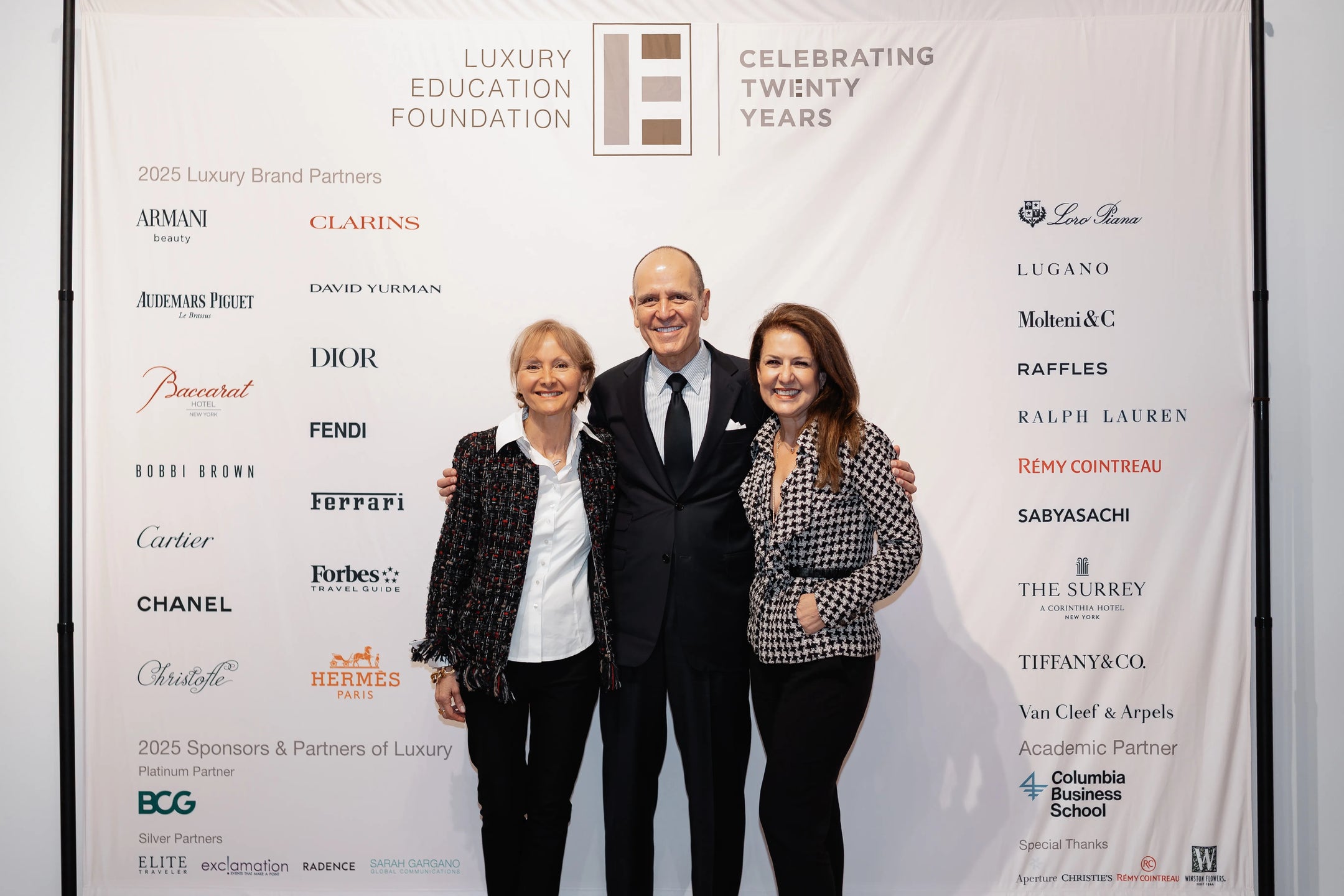
The luxury world is in the midst of a profound transformation—one shaped as much by its timeless foundations as by the rapid cultural and technological shifts of the present. At the recent Luxury Education Foundation (LEF) gathering, Robert Chavez, the esteemed former CEO of Hermès Americas, offered a compelling vision for the future of luxury. Chavez’s perspective cuts through industry platitudes, championing a blend of heritage, authenticity, and modern responsibility that is already redefining what it means to be truly luxurious.
The Heart of Luxury: Heritage and Storytelling
For Chavez, the essence of luxury has always been—and must remain—rooted in craftsmanship and narrative. In a world increasingly obsessed with speed and novelty, he argues that the enduring value of artisanal creation is not just a marketing ploy but the very soul of iconic maisons like Hermès. “True luxury,” Chavez emphasized, “is rooted in the story behind each product.”
This perspective is more than sentimentality. It is a strategic imperative in an age when consumers are inundated with choices yet starved for meaning. At Hermès, the ongoing commitment to meticulous, hand-crafted goods and the preservation of tradition is not a refusal to evolve but a conscious act of resistance against fleeting trends. The Hermès model, as articulated by Chavez, is a masterclass in how legacy brands can wield their history not as a crutch, but as a competitive advantage in a crowded marketplace.
Chavez’s remarks underscore that the future of luxury will belong to those who can offer not just products, but stories—stories that speak of provenance, artistry, and a devotion to excellence that cannot be replicated by algorithms or automation.
Transparency, Authenticity, and the Evolving Luxury Consumer
Yet Chavez is no nostalgic traditionalist. He is acutely aware that the next generation of luxury buyers is rewriting the rulebook. Today’s discerning consumers, especially Millennials and Gen Z, are demanding much more than beautiful objects—they seek authenticity, transparency, and values alignment.
Chavez observed that the modern luxury client is driven by a desire for:
- Sustainability: Responsible sourcing and environmentally conscious production are no longer optional; they are expected.
- Ethical Commitment: Brands are scrutinized for their treatment of artisans, supply chain integrity, and corporate responsibility.
- Genuine Engagement: Shoppers want to connect with brands that share their values and offer meaningful, even transformative, experiences.
In this context, luxury’s future is paradoxical: it must remain exclusive yet inclusive of new ideals. Chavez’s call to action is clear—heritage must be paired with a relentless commitment to ethical innovation. For heritage houses like Hermès, this means not only maintaining legendary standards of quality, but actively elevating them to meet, and exceed, evolving consumer expectations.
Scarcity, Desire, and the Art of Patience
One of the most provocative elements of Chavez’s address was his candid discussion of scarcity and exclusivity. Unlike mass-market brands that chase growth at any cost, Hermès has famously adopted a “deliberate approach to growth.” Chavez’s philosophy reveals a nuanced understanding of luxury psychology: desire is cultivated by patience, and value is heightened by rarity.
Over-expansion, he warns, risks diluting the very allure that makes luxury desirable. For Hermès, this translates into measured production, limited availability, and a refusal to chase every new opportunity at the expense of brand ethos. In a retail landscape dominated by speed and scale, Chavez’s stance is a bold reminder that less can indeed be more—provided it is underpinned by uncompromising standards and a clear sense of identity.
Scarcity, however, must never be contrived simply for effect. It must be the natural result of a brand’s commitment to excellence and the authentic limitations of artisanal production. This is where true luxury diverges from mere exclusivity: the former is earned, the latter can be manufactured.
Technology’s Role: Enhancing, Not Replacing, Human Connection
No discussion of the future of luxury would be complete without addressing the role of technology. Chavez acknowledges digital innovation as essential, but he is adamant that it should never replace the physical and emotional bond between client and brand.
“Digital tools,” Chavez asserts, “must be used to enhance, not overshadow, the luxury experience.” This means leveraging technology to improve service, personalize storytelling, and deepen engagement—but never at the expense of the tactile, sensorial, and highly personal interactions that define true luxury.
Herein lies the challenge—and opportunity—for luxury maisons: to strike a delicate balance between honoring centuries-old traditions and embracing the undeniable advantages of digital transformation. The future, in Chavez’s estimation, belongs to those who can seamlessly integrate both, ensuring that every digital touchpoint amplifies the brand’s heritage and values rather than diluting them.
Luxury’s Moral Imperative: Responsible Practices in a New Era
Beneath all of Chavez’s insights lies a deeper message: luxury brands are now custodians of not just style, but of societal values. As consumers grow more sophisticated, their expectations of luxury grow more exacting—not just in terms of product, but in terms of ethics, sustainability, and social impact.
Chavez’s call is unequivocal: the industry must lead by example. This means rigorous self-examination, transparent practices, and a willingness to be held accountable. The brands that thrive will be those that see responsibility not as a burden, but as an opportunity to build deeper trust and lasting loyalty with their clientele.
The luxury sector, Chavez suggests, can be a force for good—not only preserving time-honored craft, but also driving forward standards for ethical conduct and environmental stewardship.
Conclusion: The Future of Luxury Is Rooted in Purpose
Robert Chavez’s address at the Luxury Education Foundation is a clarion call for a sector in flux. As luxury evolves, its foundations in heritage, authenticity, and craftsmanship remain firm—but they must now be interwoven with sustainability, ethical leadership, and digital acumen.
The next era of luxury will be defined not just by what brands make, but by what they stand for, and how deeply they can resonate with a new generation of consumers seeking meaning as much as material value. In the words of Chavez, the future belongs to those who honor the past, embrace the present, and dare to lead with purpose.
Luxury, in its most enduring sense, is not about excess, but about excellence—rooted in values, elevated by vision, and brought to life through the stories we choose to tell.