Introduction: A New Era at Cannes
The Cannes Film Festival has always been a beacon of glamour, high fashion, and cinematic artistry. Each year, the world’s most famous actors, directors, and designers descend on the French Riviera, turning the red carpet into a dazzling showcase of creativity and bold style. But in 2025, Cannes has introduced a significant new rule regarding nudity on the red carpet, sparking both applause and controversy in equal measure. This change is set to redefine the boundaries of fashion, artistic expression, and cultural norms at one of the world’s most prestigious events.
The New Rule: What Changed at Cannes?
For decades, the Cannes red carpet has been famous for its daring, sometimes boundary-pushing fashion moments. However, this year, the festival committee has implemented a formal policy aimed at limiting nudity and explicit exposure during official events and photo calls. The new rule prohibits “outfits with excessive nudity or overtly revealing elements,” urging attendees to maintain a standard of elegance and decorum in their attire.
This move follows several years of increasing debate around red carpet fashion, the pressures placed on celebrities (especially women), and the festival’s desire to balance creative freedom with cultural sensitivity.
Behind the Decision: Why Did Cannes Make This Move?
The Cannes Film Festival has always operated at the intersection of art and society. The decision to formalize a dress code comes after multiple high-profile moments where stars wore sheer, cut-out, or nearly nude gowns that dominated headlines and social media feeds.
Several factors contributed to the rule change:
- Preserving Tradition: Cannes has a long-standing reputation for sophistication and old-world charm. Organizers aim to maintain this image amid evolving fashion trends.
- Media Sensationalism: The festival has often found itself at the center of media storms when daring outfits overshadowed the films themselves.
- Cultural Sensitivity: As a global event, Cannes welcomes guests from many backgrounds. The rule considers the diverse values and sensibilities of attendees and international media.
- Empowering Attendees: By providing clear guidelines, the festival hopes to alleviate pressure on stars to outdo each other with ever-more revealing looks.
Reactions from the Fashion World
Unsurprisingly, the new rule has sparked a heated debate within the fashion industry, among celebrities, designers, and fans alike.
Supporters argue that the rule restores a sense of dignity and focus on artistry. Iconic designer Giorgio Armani praised the decision, stating, “Elegance is not about showing everything. It’s about mystery and allure.” Many stylists appreciate the clearer boundaries, which allow creative expression within a respectful framework.
Critics, however, see the policy as restrictive and regressive. Some argue it polices women’s bodies and limits artistic freedom. Actress Chloë Sevigny voiced her concerns: “Fashion is about challenging norms. Censorship has no place on the red carpet.” Social media has also buzzed with debate, with hashtags like #FreeTheRedCarpet trending globally.

Kendall Jenner at the 2018 Cannes Film Festival.

Angelina Jolie at the 2009 Cannes Film Festival.

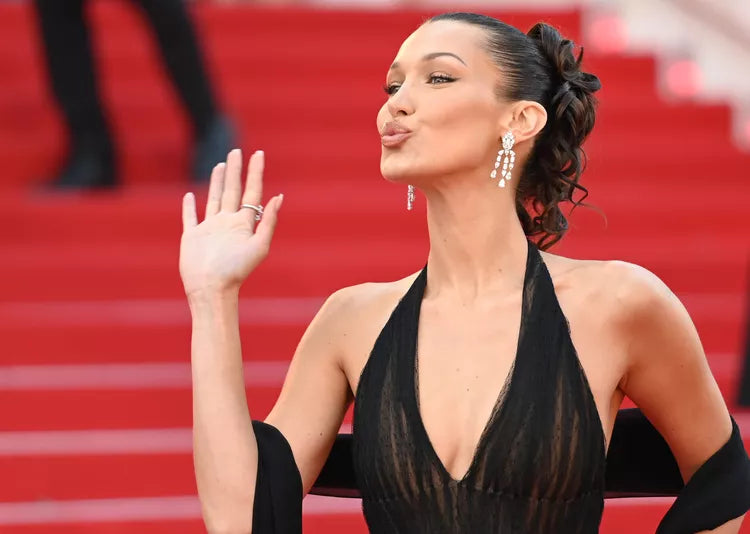
Bella Hadid at the 2024 Cannes Film Festival.
Historical Context: Red Carpet Fashion and Nudity at Cannes
To fully understand the implications of the new rule, it’s important to look back at how red carpet fashion has evolved at Cannes:
- 1950s-1970s: The era of classic Hollywood glamour, with stars like Grace Kelly and Sophia Loren favoring elegant gowns and modest silhouettes.
- 1980s-1990s: Fashion became bolder, with designers like Versace and Dior introducing more daring cuts, sequins, and bright colors.
- 2000s-2010s: The age of the “naked dress” arrived, with celebrities like Bella Hadid and Rihanna turning sheer fabrics and strategic cut-outs into headline-grabbing moments.
- 2020s: Social media amplified every look, and the competition for attention on the red carpet intensified. Outfits sometimes blurred the line between art and provocation.
Cannes has always reflected the cultural and artistic spirit of its time. The new rule may mark the start of a new chapter, where sophistication and subtlety take center stage.
How Designers Are Adapting
The fashion industry’s response to the new rule has been swift and creative. Designers are reimagining what “daring” can mean, focusing on:
- Innovative Fabrics: Using intricate embroidery, metallics, and bold prints to stand out without resorting to nudity.
- Architectural Silhouettes: Playing with dramatic shapes, oversized bows, and sculptural elements to capture attention.
- Color and Texture: Emphasizing vibrant colors, luxurious textures, and layering to create memorable looks.
- Accessories: Statement jewelry, gloves, and headpieces are making a comeback as ways to add personality and flair.
Fashion houses are embracing the challenge, proving that creativity thrives even within boundaries.
The Impact on Celebrities and Stylists
For celebrities and their stylists, the new rule means rethinking their approach to the red carpet. Gone are the days when shock value guaranteed headlines. Now, the focus is on:
- Personal Style: Expressing individuality through color, tailoring, and unique touches rather than skin exposure.
- Message-Driven Fashion: Using clothing as a platform for cultural, political, or artistic statements, rather than sheer spectacle.
- Collaboration: Celebrities are working more closely with designers to craft looks that are both memorable and respectful of the festival’s guidelines.
Rising stars see this as an opportunity to make their mark with sophisticated, memorable ensembles. Established icons, meanwhile, have the chance to reinvent their image and set new trends.
Red Carpet Moments to Watch in 2025
As the world’s attention turns to Cannes, fashion watchers are eager to see how stars will interpret the new guidelines. Early highlights from the 2025 festival include:
- Zendaya’s jaw-dropping sculptural gown, which played with dimension and color without a hint of nudity.
- Timothée Chalamet’s bold use of metallic tailoring, proving men’s fashion can be just as daring.
- Janelle Monáe’s architectural black-and-white look, which made a statement through silhouette and structure.
- Penélope Cruz’s homage to Old Hollywood with a modern twist, using luxurious fabrics and dramatic sleeves.
These moments showcase how the new rule is inspiring a return to innovation, sophistication, and artistry.
Cultural Conversations: Fashion, Freedom, and Feminism
The debate over nudity at Cannes goes beyond fashion; it touches on larger questions about freedom of expression, feminism, and the role of public events in shaping cultural norms.
- Is the rule an empowering step towards respect and inclusivity, or does it reinforce outdated standards?
- How can red carpet events balance artistic freedom with global cultural sensitivities?
- What responsibilities do festivals and celebrities have as trendsetters and role models?
These are questions without easy answers, but the conversation they spark is essential for the future of fashion and society.
Conclusion: The Future of Red Carpet Fashion
The 2025 Cannes Film Festival will be remembered not just for its films, but for its bold move to reshape the red carpet. By drawing a new line around nudity, Cannes has challenged both the fashion industry and broader culture to rethink what it means to be daring, elegant, and expressive.
As designers, celebrities, and fans adapt to the new rules, one thing is clear: creativity will always find a way to shine. The future of red carpet fashion promises to be just as exciting, innovative, and influential as its past—perhaps even more so, as it navigates the ever-shifting intersection of art, culture, and style.
Stay tuned to see how the stars will continue to dazzle, inspire, and surprise us at Cannes and beyond.