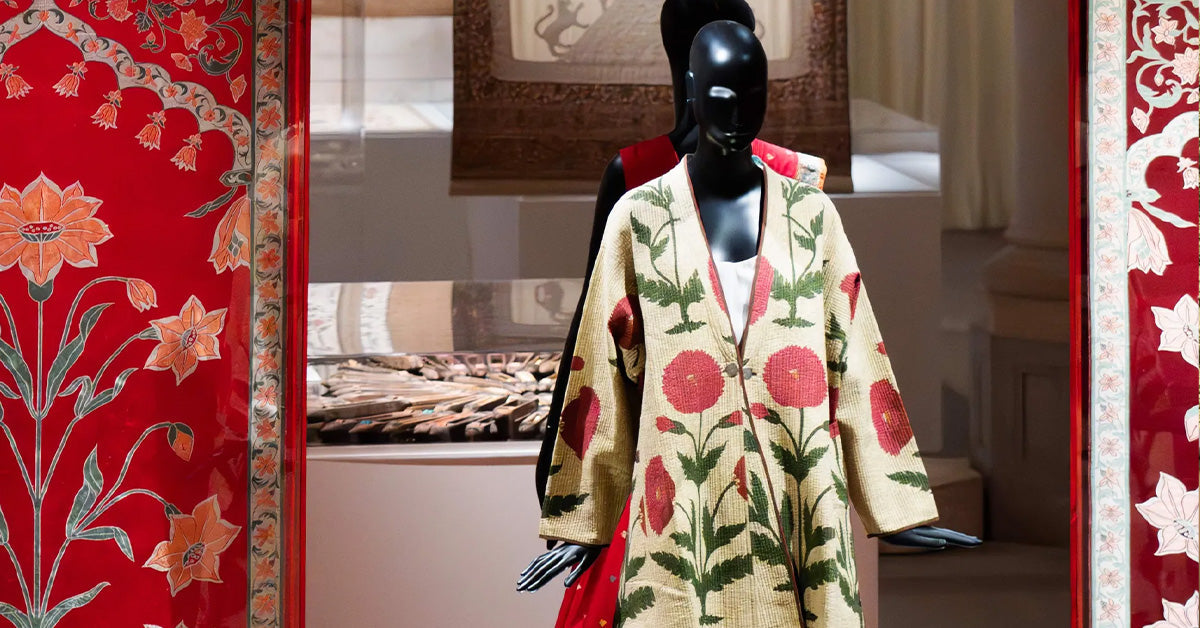
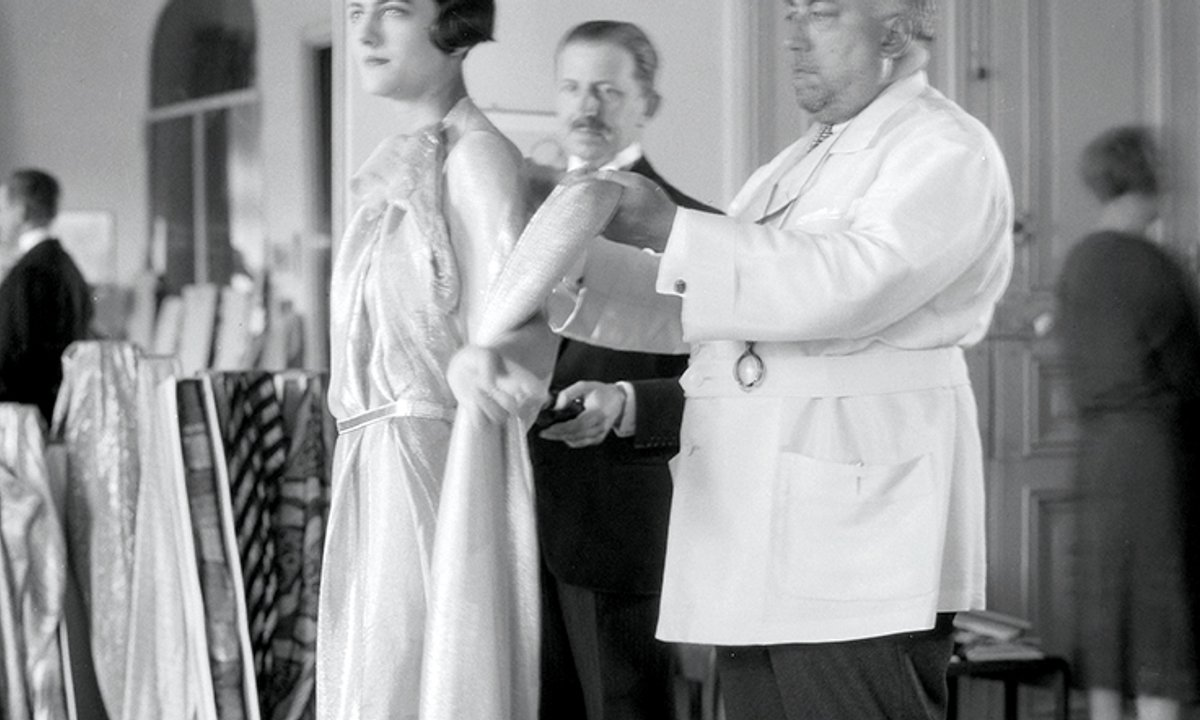
The Musée des Arts Décoratifs in Paris is set to unveil a landmark exhibition, Paul Poiret: Fashion is a Feast, casting a brilliant spotlight on the life and artistry of Paul Poiret—the flamboyant visionary who forever altered the trajectory of twentieth-century fashion. Running from June 25, 2025, to January 11, 2026, this immersive retrospective promises not just a celebration of haute couture, but a revelatory journey through the mind of France’s so-called ‘king of fashion’: a man who made couture inseparable from art, performance, and modernity.
The Uncaging of Fashion: Poiret’s Radical Liberation
At the dawn of the twentieth century, women’s fashion was a cage—literally and figuratively. Constrictive corsets, rigid silhouettes, and a stifling adherence to tradition marked every seam. Into this world stepped Paul Poiret (1879–1944), boldly wielding not only a needle but an artistic vision that would upend every rule.
Poiret’s designs did more than clothe a generation; they liberated it. He is immortalized for casting aside the corset, introducing a fluid silhouette that signaled a new era of creative—and bodily—freedom. His garments, often draped rather than tailored, celebrated natural forms and movement. In doing so, Poiret was not simply making fashion comfortable; he was making it modern, aligning the body with the spirit of early twentieth-century innovation.
This act of sartorial rebellion rippled far beyond the ateliers of Paris. It redefined the relationship between the wearer and their clothing, laying the foundation for future revolutions in women’s fashion. In Poiret’s hands, garments became not just coverings, but expressive canvases—emancipating, dynamic, and alive.

Art, Performance, and the Gesamtkunstwerk
What truly sets Poiret apart is the breadth of his ambition. He was not content to design clothing; he envisioned fashion as a Gesamtkunstwerk—a total artwork that blurred boundaries with painting, performance, and décor. This was not mere posturing, but a deeply held belief that couture should be experienced as a multisensory spectacle.
His collaborations were legendary. Aligning himself with artists, designers, and performers, Poiret drew on the sinuous lines of Art Nouveau, the exotic vibrancy of Orientalism, and the electrifying energy of the Ballets Russes. These influences were not window dressing; they saturated every detail of his collections, from the bold use of color to the theatricality of his runway presentations.
The Musée des Arts Décoratifs exhibition draws heavily from its own rich holdings, offering a rare, intimate view into this creative ferment. Visitors can expect to encounter not merely garments, but living artifacts of an era when fashion and art were in dynamic, mutual conversation.
The Power of Collaboration: Beyond the Atelier
Poiret’s genius lay as much in his collaborative spirit as in his technical prowess. He forged alliances with painters, set designers, and dancers, pulling threads from every corner of the artistic world. This approach imbued his work with a vibrancy and relevance that few contemporaries could match.
His partnership with the Ballets Russes—an avant-garde Russian ballet company—proved particularly fruitful, bringing the drama of the stage to the everyday. The swirling patterns, bold hues, and fluid forms of his garments echoed the dynamism of performance art, collapsing the walls between costume and clothing.
Such cross-pollination extended to the decorative arts as well. Poiret’s influence touched not only what women wore but how they lived, inspiring innovations in interior design and home décor. He believed that the environment, like the body, was a canvas for self-expression—a philosophy that continues to resonate in today’s age of lifestyle branding.
Marketing Magic: Costume Balls and the Birth of Modern Branding
If Poiret was a designer ahead of his time, he was also a marketing genius who understood the power of spectacle and narrative. His legendary costume balls were more than mere parties; they were early exercises in branding, designed to elevate both his profile and the art of fashion itself.
Lavish and meticulously staged, these events blurred the lines between social gathering and artistic performance. They drew artists, aristocrats, and celebrities into Poiret’s orbit, turning the couturier himself into a living symbol of creative excess and innovation.
This flair for self-promotion was revolutionary. In an era long before social media, Poiret understood that fashion was as much about storytelling as it was about fabric and thread. His audacious approach to marketing laid the groundwork for generations of designers who would follow—turning fashion into a global spectacle.
Beyond Apparel: Perfume, Interiors, and Lasting Influence
Poiret’s vision extended far beyond the atelier. Not content with dressing women, he sought to envelop them in a total aesthetic experience. To this end, he founded Parfums de Rosine, one of the first haute couture perfumeries, and ventured boldly into the realm of interior decoration.
His perfumes were not mere afterthoughts; they were conceived as essential complements to his garments, extending his artistic vision into the realm of scent. Likewise, his forays into home décor reflected his belief that beauty should permeate every aspect of life—a radical notion at a time when fashion was largely confined to the wardrobe.
This holistic approach positioned Poiret as a true renaissance figure, one whose influence would ripple through successive generations of designers, from Coco Chanel to Yves Saint Laurent. His insistence on the unity of art, fashion, and daily life remains as provocative today as it was over a century ago.
Legacy and the Paris Retrospective: Why Poiret Matters Now
Paul Poiret: Fashion is a Feast does more than showcase exquisite garments and accessories. It offers an urgent reminder of why Poiret’s vision matters now, in an era where the boundaries between fashion, art, and branding are more porous than ever.
The exhibition retraces a remarkable career—one marked by risk-taking, innovation, and cultural impact. It explores:
- His pioneering liberation of women from restrictive clothing
- Deep collaborations with artists and influence on the decorative arts
- Innovations in marketing and the art of self-promotion
- The founding of Parfums de Rosine and ventures into interior design
- The seismic cultural and artistic reverberations of his work during a transformative era in European history
For contemporary audiences—designers, artists, and style lovers alike—Poiret’s legacy is both inspiration and challenge. He reminds us that fashion is never just about clothes; it is a mirror of culture, a catalyst for change, and, at its best, a feast for every sense.
Conclusion: The Feast Continues
As the Musée des Arts Décoratifs invites the public to immerse themselves in Poiret’s world, the significance of his oeuvre is impossible to ignore. His garments, his spectacles, his relentless pursuit of beauty—each speaks to a vision of fashion as art, and art as life.
In revisiting the life and work of Paul Poiret, we are reminded that true innovation requires courage, collaboration, and a refusal to accept boundaries. As the fashion world continues to grapple with questions of relevance, creativity, and cross-disciplinarity, Poiret’s example is more vital than ever. In Paris this season, fashion is indeed a feast—and Poiret remains its most audacious host.