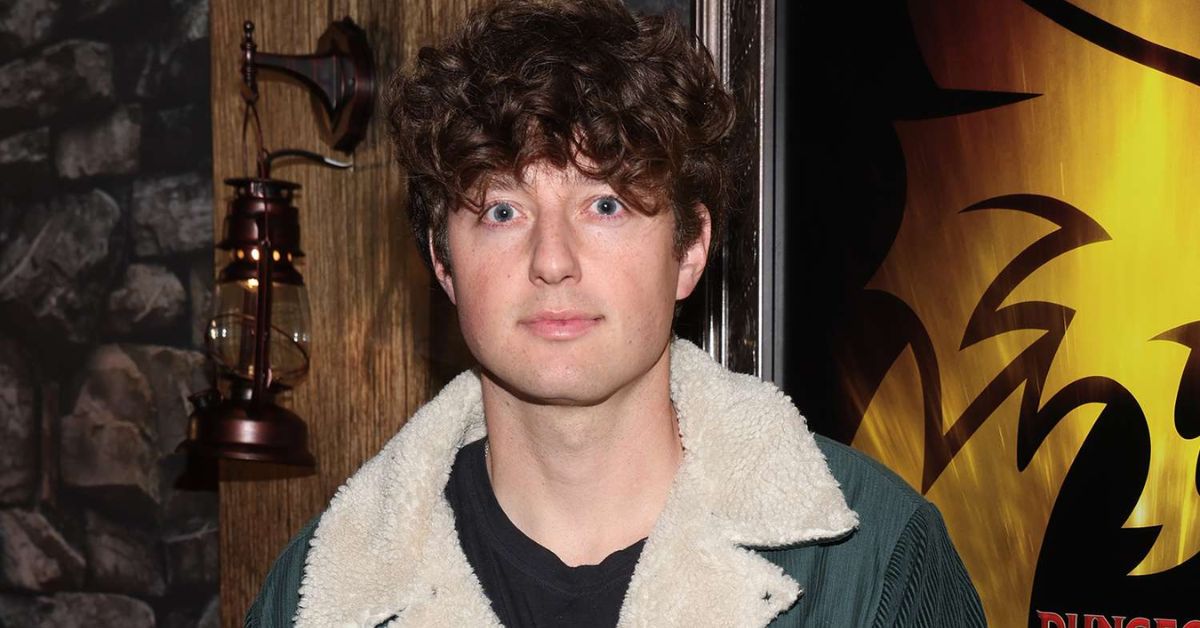
The curated veneer of the digital age cracked violently this week with the confirmation that Tucker Genal, the 31-year-old TikTok luminary and comedic force, died by suicide at his California home. While the fashion and lifestyle industries often trade in the currency of aspiration and aesthetic perfection, the news of Genal’s death—confirmed by the Los Angeles Medical Examiner to have occurred on December 11, 2025—serves as a devastating counter-narrative to the endless scroll of dopamine-inducing content. Known to his 2.5 million followers as a beacon of fraternal humor and relatable levity, Genal’s passing is not merely a statistical entry in the influencer economy’s growing ledger of burnout and crisis; it is a profound cultural signal. It forces a confrontation with the "happy face" paradox of social media, where high-engagement metrics frequently mask deep, private despair. As the industry grapples with the fragility of its human assets, Genal’s story underscores a critical inflection point: the urgent need to dismantle the performative barriers between public influence and private mental health.
The Breaking Narrative: A Week of Quiet Grief

In an ecosystem defined by instantaneous updates and real-time storytelling, the five-day silence between Tucker Genal’s death and its public confirmation speaks volumes about the gravity of the situation. While the tragedy occurred on December 11, the digital world continued its relentless pace until the family broke their silence on December 16. The Los Angeles Medical Examiner’s report, citing suicide by hanging, introduced a brutal finality to a timeline that fans had assumed was simply a pause in content creation.
The delay in reporting suggests a protective circle drawn tight by the Genal family, a rare moment of privacy in an existence otherwise commodified for public consumption. For an influencer of Genal’s magnitude—commanding a legion of 2.5 million on TikTok alone—silence is usually interpreted by the algorithm as a failure. Here, it was a shield. The stark contrast between his last vibrant uploads and the clinical details released by the Medical Examiner creates a cognitive dissonance that is difficult for his audience to reconcile. It highlights the often-ignored reality that the "characters" we consume on screens are flesh-and-blood individuals navigating internal landscapes entirely invisible to the camera lens.
This event does not exist in a vacuum. It ripples through the broader lifestyle sector, challenging the mechanisms of the creator economy. When a creator whose brand is built on joy and connectivity exits the stage in such a tragic manner, it dismantles the illusion of the "effortless" digital life. It forces editors, brand managers, and audiences alike to question the sustainability of a culture that demands perpetual positivity.
The Fraternal Bond: Authentic Grief in a Curated World

Tucker Genal was rarely seen alone. His digital identity was inextricably linked to his brothers, Connor and Carson Genal. Together, they formed a triad of camaraderie that resonated deeply with a generation starved for authentic connection. The joint Instagram tribute posted by Connor and Carson was not a PR-polished statement; it was a visceral cry of loss that cut through the noise of the platform.
Describing Tucker as their "best friend and an even better big brother," the surviving siblings painted a picture of a man who was the architect of their shared success and the emotional anchor of their lives. The quote, "my entire life I’ve spent looking up to [you]," transforms their previous comedic skits into archival footage of a bond now severed. This dynamic—the "brother content" genre—is a staple of TikTok’s lifestyle vertical, often monetized for its wholesomeness. However, the tragedy reveals the immense pressure placed on such personal relationships when they are converted into public entertainment products.
The authenticity of the family’s grief stands in stark contrast to the often transactional nature of influencer apologies or statements. It has triggered a wave of empathy across social platforms, with comment sections transforming into impromptu vigils. Yet, beneath the condolences lies a palpable anxiety among the audience: if a relationship that appeared so robust and joyful on screen could harbor such tragedy, what else on the platform is an illusion? The Genal brothers are now left to navigate not only the loss of a sibling but the potential collapse or forced evolution of a brand built on a trio that no longer exists.
The Paradox of the "Funny Man" in the Algorithm
Cultural critics and psychologists have long noted the "sad clown" paradox, but the algorithmic age has weaponized it. Tucker Genal’s content was designed to induce laughter, a commodity that TikTok’s algorithm prioritizes above almost all else. To maintain 2.5 million followers, a creator must consistently deliver high-energy, engaging content, regardless of their internal state. The platform rewards consistency and punishes silence, creating a hamster wheel of performance that can exacerbate underlying mental health struggles.
In the fashion and lifestyle sectors, we often discuss "burnout" in terms of creative directors at heritage houses producing six collections a year. However, the micro-pressures on digital creators are arguably more insidious because they lack the institutional support systems of major luxury conglomerates. Genal operated in the high-stakes arena of the attention economy, where vulnerability is often only permissible if it is packaged as "relatable content."
The tragedy of his death lies partly in the successful execution of his job: he made us laugh so effectively that we did not look for the tears. This creates a significant "Information Gap" in the industry’s understanding of creator wellness. We have metrics for engagement, conversion, and reach, but we lack metrics for creator stability. As brands increasingly rely on influencers like Genal to humanize their products and drive trends, the supply chain risk shifts from materials to human mental health. The "funny man" persona is a shield, and when that shield is algorithmically reinforced, the person behind it can disappear long before they physically depart.
Industry Reaction: The Sound of a System Shock
While Tucker Genal was not a runway model or a creative director for a Parisian maison, his influence on the "lifestyle" vertical places him adjacent to the fashion world’s interests. The reaction—or lack thereof—from the traditional fashion establishment highlights a lingering divide. As of December 16, no major fashion houses or editors have issued statements. This silence is telling. It suggests that while the industry is eager to utilize the reach of TikTok stars, it has yet to fully integrate them into its community of care.
However, the reaction from the creator community and the audience has been swift and overwhelming. The "contagion" effect—a known risk in reporting suicides—has likely triggered algorithmic throttling on platforms like TikTok and Instagram. These platforms are engineered to suppress content containing keywords related to self-harm to protect vulnerable users. Consequently, while the news is breaking, it may not be "trending" in the traditional viral sense. This suppression, while safety-minded, creates a strange muffled effect around the tragedy, preventing a full-scale public reckoning.
For FAZ Fashion readers, the industry insight here is critical: The creator economy is facing a mental health reckoning similar to the modeling industry's crisis in the 1990s and 2010s. Just as the death of models prompted regulations on BMI and age, the deaths of creators like Genal may eventually force platforms to implement "wellness checks" or limit the algorithmic penalization of creators who take mental health breaks. The current system, which demands perpetual presence, is proving fatal.
Timeline of a Tragedy
- Past Era: Tucker Genal builds a digital empire of 2.5 million followers on TikTok, establishing a brand centered on brotherly comedy and relatable lifestyle content.
- December 11, 2025: Tucker Genal dies by suicide (hanging) at his home in California. The event is kept private by the family.
- December 11–15, 2025: A period of digital silence. No new content is posted, and the algorithm begins to cycle older videos.
- December 16, 2025: The Genal family breaks their silence via a joint Instagram tribute. The Los Angeles Medical Examiner confirms the cause of death.
- December 16, 2025 (Present): News outlets including People and Just Jared confirm the report. Fans begin to flood social channels with tributes.
Strategic Forecast: The Pivot to Wellness
What happens next for the Genal brand and the wider industry? The immediate future will likely see a cessation of content from the Genal brothers. It is improbable that Connor and Carson will return to comedic content in the near term. If they do return, we forecast a pivot toward mental health advocacy—a trajectory often seen in the wake of such tragedies. They may become reluctant figureheads for a movement demanding better mental health resources for creators.
From a macro-perspective, this event contributes to a growing "wellness" macro-trend that is reshaping the luxury and lifestyle markets. Consumers are becoming increasingly wary of performative happiness. We anticipate a shift in 2026 where "raw" and "unfiltered" content—specifically regarding mental struggles—becomes the new currency of authenticity. Brands that partner with influencers will need to conduct deeper due diligence, looking beyond follower counts to the emotional stability and support systems of their partners.
Furthermore, platforms like TikTok may face renewed scrutiny. Policy makers and industry watchdogs are likely to cite cases like Genal’s to argue for greater platform responsibility. We may see the introduction of features that allow creators to "pause" their accounts without losing algorithmic standing, a digital equivalent of compassionate leave.
The Final Analysis
Tucker Genal’s death is a somber reminder that the screen is a barrier, not a window. For the fashion and lifestyle industries, which thrive on image, this tragedy is a call to look past the pixel. The loss of a talent at 31, in the prime of his digital ascendancy, is a waste of potential that no amount of likes or shares can quantify. As we mourn the "best friend and big brother" described by his family, we must also mourn the systemic pressures that make such tragedies an occupational hazard of the modern age.
Written by Ara Ohanian for FAZ Fashion — fashion intelligence for the modern reader.