
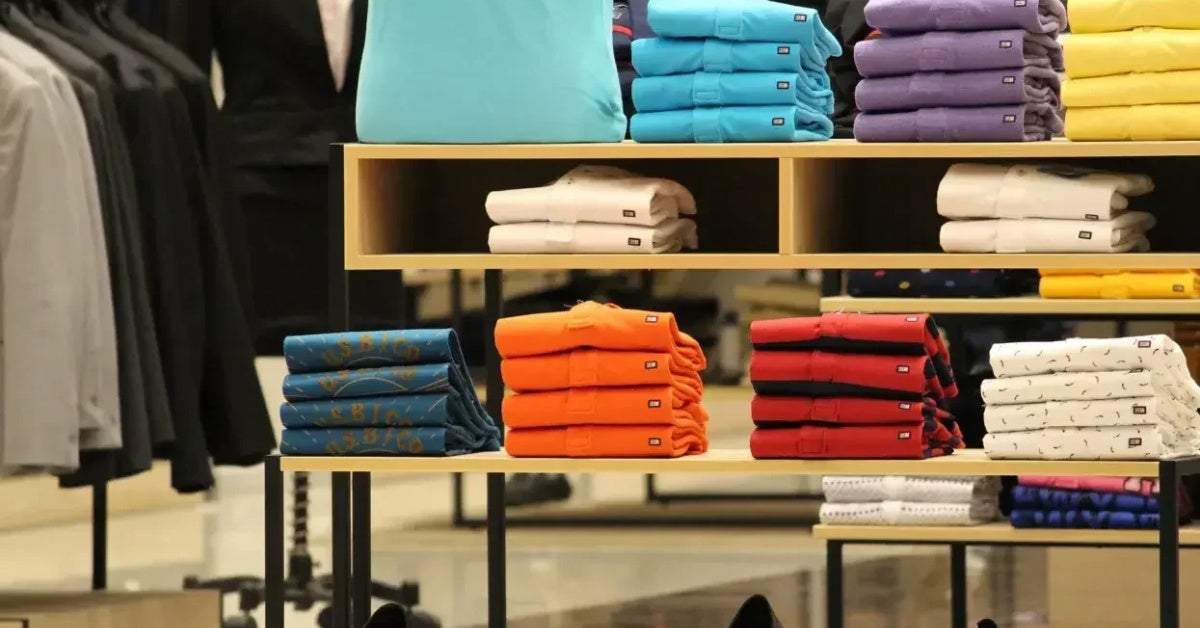
The humble T-shirt—once a utilitarian staple—has ascended to a starring role on the global fashion stage, driving one of the most dynamic market expansions in recent memory. According to recent research, the worldwide T-shirts market, valued at USD 185.2 billion in 2024, is projected to reach an astonishing USD 221.5 billion by 2032, propelled by a steady Compound Annual Growth Rate (CAGR) of 4.1%. But behind these headline figures lies a story of shifting consumer habits, innovative retail models, and a profound transformation in how people express themselves through clothing.
The Rise of Casual Fashion: T-Shirts as Modern Essentials
Once relegated to weekend wear, the T-shirt now occupies a central place in wardrobes around the world. This shift is rooted in the rising influence of casual fashion, a trend that reflects not just personal comfort but a broader societal embrace of versatility and easygoing style.
Today’s consumers demand clothes that effortlessly transition between work, leisure, and athletic pursuits. The T-shirt’s adaptability—its ability to be dressed up with a blazer or paired with sneakers for a relaxed vibe—makes it the ultimate chameleon of modern apparel. The lines have blurred: The same tee can appear in a start-up office, at a music festival, or on the running track, underscoring its universality.
This evolution has profound implications for brands and retailers. Companies must now curate collections that reflect not just fleeting trends, but the persistent desire for pieces that deliver both comfort and statement-making style.
E-Commerce: Powering Global Reach and Personalization
The explosion of e-commerce has dramatically reshaped the T-shirts market. Digital platforms enable brands to reach audiences well beyond traditional retail boundaries, democratizing fashion and accelerating global distribution.
Direct-to-consumer sales have become the lifeblood of emerging and established labels alike. Online storefronts allow for targeted marketing, rapid feedback loops, and the kind of data-driven personalization that today’s shoppers crave. This shift is particularly pronounced in regions such as Asia-Pacific, Latin America, and the Middle East, where internet penetration and smartphone adoption are fueling unprecedented demand.
Perhaps most significantly, the e-commerce boom has lowered barriers to entry for independent designers and small brands. By leveraging platforms that handle logistics and payment, creative entrepreneurs can launch niche collections and connect with global audiences—sometimes within hours.
Branded and Customized Apparel: The Age of Personal Expression
As the T-shirt evolves, so too does the consumer’s relationship with it. A growing preference for branded and customized apparel signals a shift away from generic mass production and towards garments that reflect individual identity.
Shoppers are increasingly drawn to unique prints, personalized fits, and signature graphics that broadcast their tastes, affiliations, and even their beliefs. This phenomenon is more than a passing fad; it’s a profound reimagining of fashion as a canvas for self-expression. Whether it’s a limited-edition collaboration or a one-of-a-kind design, the T-shirt offers a way for wearers to stand out in a crowded digital world.
For brands, this presents both a challenge and an opportunity. The demand for customization requires nimble supply chains, agile production processes, and a willingness to embrace direct engagement with consumers.
Sustainable Materials: Eco-Conscious Choices Reshape the Market
No discussion of contemporary fashion is complete without addressing sustainability. The T-shirts market is at the forefront of a movement towards eco-friendly materials and responsible manufacturing.
The expansion of sustainable and organic cotton production is reshaping market dynamics, as consumers increasingly scrutinize the environmental impact of their purchases. Brands are responding with collections that feature recycled fibers, low-impact dyes, and transparent sourcing. These efforts are not mere marketing gestures—they reflect a seismic shift in consumer values, particularly among younger generations who demand authenticity and accountability.
This focus on sustainability is not only an ethical imperative; it’s a competitive advantage. Companies that prioritize eco-friendly practices are poised to capture a growing segment of the market, while those that lag behind risk obsolescence.
Graphic and Printed Designs: The Pulse of Pop Culture
Graphic and printed T-shirts continue to be the heartbeat of demand, serving as billboards for pop culture, political statements, and artistic innovation. From streetwear brands to luxury houses, designers are harnessing bold visuals to create T-shirts that are as much conversation starters as they are clothing.
This trend is powered by the immediacy of social media, where a viral design can spark global interest overnight. T-shirts featuring iconic imagery, witty slogans, or collaborative artwork are shared, reposted, and coveted—creating a feedback loop that drives both creativity and commercial success.
For consumers, these tees provide a way to participate in cultural moments and express allegiances, all while maintaining the comfort and accessibility that define the category.
Social Media and Direct-to-Consumer Models: Bridging Brands and Buyers
The interplay between social media and direct-to-consumer models has become a defining feature of the T-shirts market’s evolution. Platforms like Instagram, TikTok, and Facebook have transformed the way brands engage with their audiences, offering unprecedented opportunities for storytelling, community-building, and real-time feedback.
This is especially evident in emerging markets, where social platforms double as digital storefronts, bypassing traditional retail infrastructure. Brands leverage influencers, user-generated content, and targeted campaigns to cultivate loyalty and spark conversation.
- Asia-Pacific: Rapid urbanization and tech adoption fuel demand for trendy, affordable T-shirts.
- Latin America: Young consumers drive social commerce and experiment with bold styles.
- Middle East: A dynamic blend of tradition and modernity, with rising appetite for customization and global brands.
The direct-to-consumer approach also enables brands to collect data, respond to feedback, and iterate on designs in real time—turning the market into a living laboratory of taste and innovation.
Market Innovations: Customization Platforms and On-Demand Production
Innovation in the T-shirts market is not limited to design—it extends to how products are made and sold. Platforms like Printful and Teespring have pioneered on-demand printing, a model that dramatically reduces inventory risks and empowers a new generation of entrepreneurs.
On-demand production allows small brands and independent designers to offer extensive customization without the cost or waste of traditional mass manufacturing. Customers can choose fabrics, colors, prints, and fits, creating a product that is uniquely theirs. For the industry, this means greater agility, reduced environmental impact, and the ability to respond instantly to shifting trends.
These platforms are more than technological solutions—they represent a philosophical shift towards inclusivity, creativity, and sustainability.
Conclusion: The T-Shirt’s Next Act—A Canvas for Innovation and Identity
The ascent of the T-shirt from basic garment to global phenomenon is more than a story of market expansion; it’s a reflection of how fashion, technology, and culture intersect in the modern world. As the market marches towards the USD 221.5 billion milestone by 2032, the T-shirt stands as both a symbol of personal expression and an engine of industry innovation.
From sustainable materials to social commerce, from graphic artistry to on-demand customization, the T-shirt embodies the spirit of our times—one defined by choice, creativity, and consciousness. For brands, the challenge is clear: adapt, innovate, and connect. For consumers, the possibilities have never been more exciting.
As this market continues to evolve, one thing remains certain—the T-shirt is no longer just an everyday basic. It is, increasingly, the fabric of global fashion’s future.