The silence was intentional, a final protective embrace around a life lived largely in the harsh, beautiful glare of the Australian spotlight. Rachael Carpani, the luminary actress who defined a generation of television drama as Jodi Fountain on the seminal series McLeod’s Daughters, has died at the age of 45. While the world only learned of her passing on December 15, 2025, following a devastating announcement from her family, the actress actually took her final bow on December 7. She passed "unexpectedly but peacefully" after a private, protracted battle with chronic illness, a detail that adds a layer of profound poignancy to her sudden absence. For the industry, this is not merely the loss of a Logie-nominated talent; it is the dimming of a vibrant spirit that bridged the gap between the golden age of Australian cable drama and the modern, globalized entertainment landscape.
The Week of Silence: Privacy in the Age of Noise

In an era where celebrity grief is often livestreamed and immediate, the eight-day gap between Carpani’s death and the public announcement speaks volumes about the integrity of her inner circle. The Carpani family, led by her sister Georgia, chose to navigate the initial shock of loss without the intrusion of the public gaze. This decision reflects a dignity reminiscent of a bygone era of stardom, where the line between the public persona and the private individual was fiercely guarded.
The confirmation, when it arrived, was stark and devastating. "Unexpectedly but peacefully passed away after a long battle with chronic illness," the statement read. It was a revelation that recontextualized her recent years for fans and critics alike. While the industry speculated on career moves or hiatuses, Carpani was waging a silent war. This narrative of hidden resilience forces a re-examination of the pressures placed on public figures to maintain a façade of vitality even as they navigate serious health crises.
The timing of the announcement—mid-December—means the news breaks just as the industry begins its holiday wind-down, a period usually reserved for celebration. Instead, the Australian entertainment sector finds itself in a state of collective mourning, processing the loss of a woman who was, for many years, the face of the country's most successful export.
The Jodi Fountain Effect: A Cultural Aesthetic

To understand the magnitude of this loss, one must understand the cultural phenomenon of McLeod’s Daughters. Running from 2001 to 2009, the show was not simply a drama; it was a stylistic and cultural manifesto for rural Australia. At the center of this was Carpani’s character, Jodi Fountain. While the show is often remembered for its sweeping landscapes and melodrama, from a fashion and cultural critique perspective, it defined "Outback Y2K" chic.
Carpani’s character evolved from a naive, fashion-obsessed teenager dreaming of city lights to a resilient woman of the land. This evolution was tracked sartorially. In the early seasons, Carpani embodied the early 2000s zeitgeist—spaghetti straps, low-rise denim, and butterfly clips—juxtaposed against the dust and grit of Drovers Run. It was a visual representation of the tension between urban aspiration and rural reality, a theme that resonated deeply with the show's peak audience of over 1.5 million viewers.
As the series progressed, her aesthetic matured into the utilitarian elegance that has since become a staple of Australian fashion identity: the worn Akubra, the fitted moleskins, the R.M. Williams boots. Carpani did not just wear the costume; she inhabited the archetype of the "daughter of the land." Her nomination for the Gold Logie and the Logie Award for Most Popular Actress in 2007 was a testament not just to her acting chops, but to her ability to make a specific, localized identity feel universally relatable.
From The Outback to Hollywood: The Diaspora of Talent
Carpani’s career trajectory serves as a case study for the "Australian Drain"—the phenomenon of top-tier domestic talent pivoting to the United States. Following her departure from McLeod’s Daughters, Carpani sought to translate her domestic stardom into international success. Her roles in the CBS pilot Law Dogs and the series Cane were markers of this ambition.
However, the transition from Australian darling to Hollywood recurring player is rarely linear. While she secured work, the massive, singular stardom she enjoyed at home was difficult to replicate in the fractured US market. This period of her career, often underreported, highlights the immense courage required to leave a "safe" legacy franchise to test oneself in the world's most competitive market.
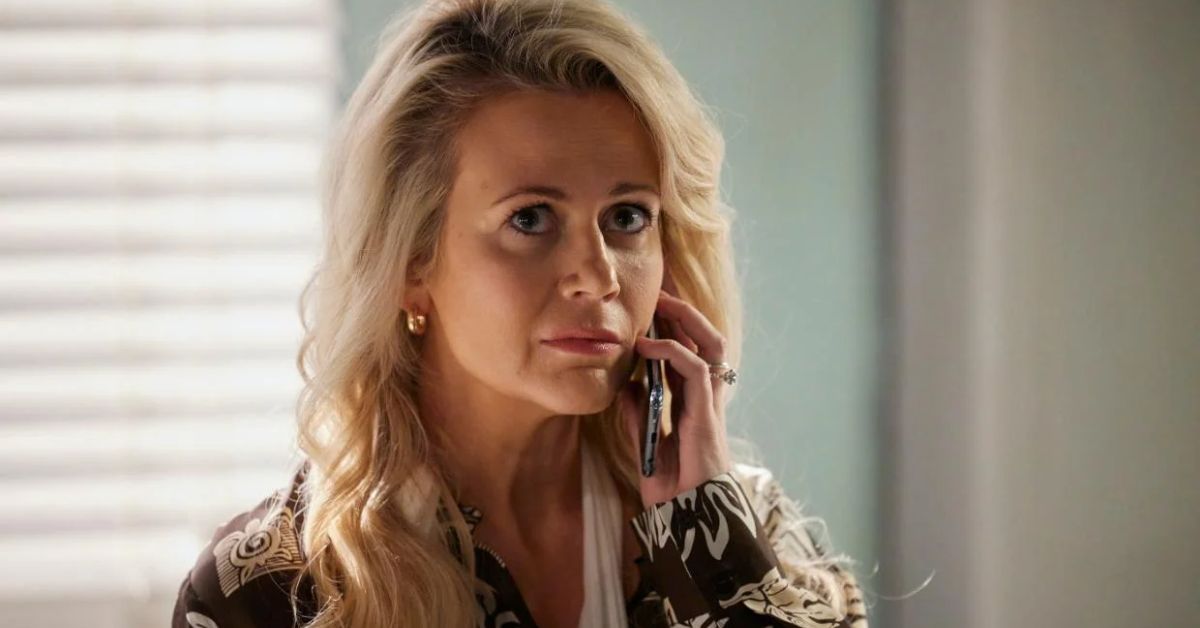
Her return to Australian screens, most notably in 800 Words and her recent recurring role as Claudia Salini in Home and Away (starting in August 2024), marked a homecoming that was warmly embraced. Her presence in Summer Bay was seen as a victory lap, a reintegration of a beloved icon into the current fabric of daily television. That this return was cut short adds a tragic "what if" to her filmography. She was actively working, actively contributing, and actively fighting an illness that the camera never betrayed.
A Sisterhood in Mourning: The Industry Reacts

The reaction from her peers has been swift and shattered. The bond between the cast of McLeod’s Daughters is legendary within the industry, often described less as a cast and more as a sorority. Bridie Carter, who played Tess McLeod, provided the emotional anchor for the public’s grief.
"This is the most difficult post... Rest In Peace our beautiful girl….the 'baby' of our [McLeod’s Daughters] family. We love you, we cherish you," Carter wrote. The use of the word "baby" is particularly telling. Despite being 45, to her co-stars and to the millions who watched her grow up on screen, Carpani retained an aura of youth and potential. Her death disrupts the natural order of the ensemble.
This tragedy also revives the darker whispers surrounding the franchise—the so-called "curse" of the show, exacerbated by the death of co-star Peter Hardy in 2023. While such narratives are often tabloid fodder, they contribute to a sense of heaviness surrounding the show's legacy. The cast, once the vibrant faces of Australian optimism, are now increasingly defined by premature loss and resilience in the face of tragedy.
The Invisible Battle: Chronic Illness in the Spotlight
Perhaps the most significant aspect of this story, beyond the immediate grief, is the revelation of Carpani’s "long battle with chronic illness." In an industry obsessed with image, vitality, and insurance liabilities, chronic illness is often the ultimate taboo. Actors frequently hide diagnoses to protect their employability, suffering in silence to maintain the illusion of the "perfect" product.
Carpani’s ability to film Home and Away in 2024 while managing a terminal or debilitating condition is a testament to extraordinary professional discipline. It forces a conversation about the accommodations—or lack thereof—for performers managing invisible disabilities. Her passing challenges the industry to look beyond the red carpet gloss and acknowledge the human fragility of its stars. The "unexpected" nature of her death suggests that she shielded her pain from the public until the very end, prioritizing her art and her privacy over public sympathy.
Timeline: The Arc of a Star
- August 24, 1980: Rachael Carpani is born in Sydney, Australia.
- 2001: Cast as Jodi Fountain in McLeod’s Daughters, a role that would define her career and Australian pop culture for a decade.
- 2007: Reaches the zenith of her domestic popularity, nominated for the Gold Logie and Most Popular Actress Logie.
- 2009: Returns for the McLeod’s Daughters finale, closing the chapter on Jodi Fountain.
- 2011-2018: Pursues international roles (Against the Wall, If There Be Thorns) and returns to AU/NZ TV with 800 Words.
- August 2024: Joins the cast of Home and Away as Claudia Salini, marking a major return to network television.
- December 7, 2025: Dies peacefully after a private battle with chronic illness.
- December 15, 2025: Death announced to the public by the Carpani family.
Forecast: The Legacy of Drovers Run
What happens next for the legacy of Rachael Carpani? In the immediate future, we can expect a digital resurgence of McLeod’s Daughters. Streaming platforms holding the rights to the series will likely see a significant spike in viewership as fans, spanning three generations, return to Drovers Run to mourn. This is the "nostalgia economy" in action—a collective, digital wake.
Culturally, her death may accelerate conversations regarding a formal tribute or reunion special, though such an event would now be tinged with undeniable sorrow. For Home and Away, the writers face the delicate task of addressing the departure of her character, Claudia Salini. Whether they choose to write her passing into the show or have the character exit quietly will depend on the family's wishes and the show's production lead times.
Ultimately, Carpani’s legacy is secured not just in awards or credits, but in the emotional real estate she occupies in the Australian psyche. She represented a specific moment in time—the early 2000s—when Australian drama felt optimistic, expansive, and homegrown. Her passing is a closing curtain on that era of innocence.
Written by Ara Ohanian for FAZ Fashion — fashion intelligence for the modern reader.