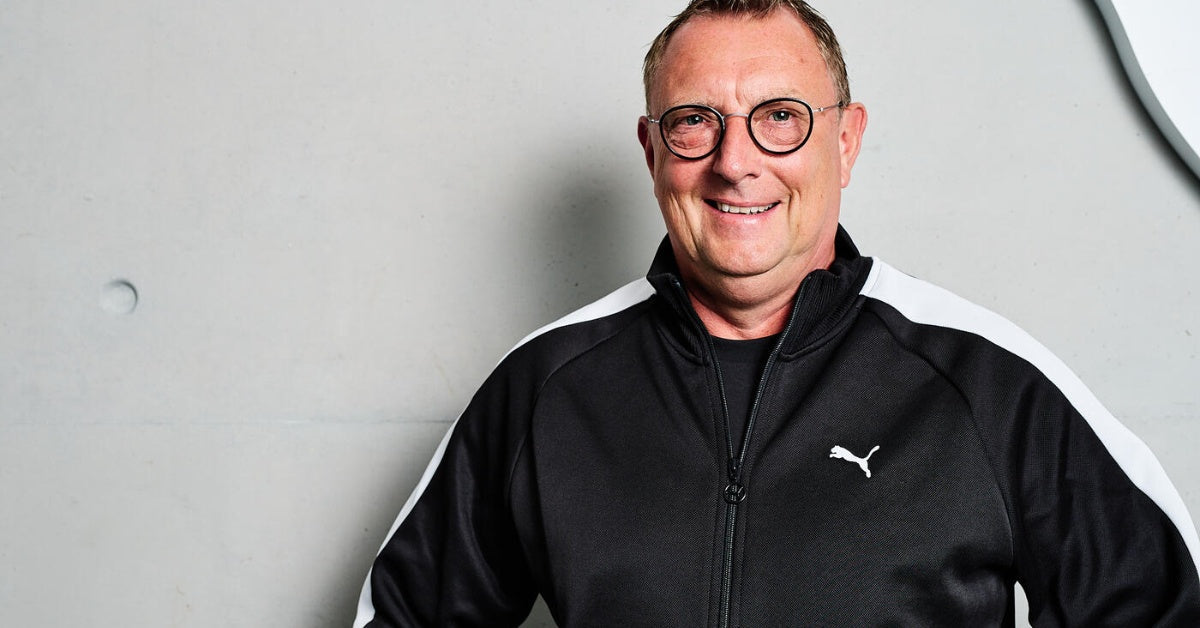
October 2025 marks a pivotal moment for PUMA, the global sportswear powerhouse. The company has officially named Thomas John as its new Vice President People and Organization, a move that not only signals a decisive step in its human resources evolution but also hints at a broader transformation of culture and operational excellence across the brand.
Setting the Stage: Why Thomas John’s Appointment Matters
PUMA’s decision to appoint Thomas John, a seasoned HR executive with nearly thirty years of cross-industry experience, is far from routine. At a time when the sportswear industry is grappling with rapid market shifts, talent wars, and the imperative for genuine inclusivity, PUMA’s leadership is making a statement: the people strategy is central to its future.
John, 59, will assume his role on October 16, reporting directly to CEO Arthur Hoeld—an alignment that underscores the importance of organizational development at the very top tier of the company’s strategic agenda.
The Man Behind the Role: Thomas John’s Polished Pedigree
Describing Thomas John’s career as merely “experienced” sells him short. His trajectory is the kind of blueprint HR professionals study and aspire to. Most recently, he served as Senior Vice President Global Human Resources at Landis+Gyr, a global leader in energy management and smart metering solutions. There, John led transformative HR initiatives spanning more than 30 countries, driving change in environments that demanded both agility and depth.
- Landis+Gyr: Led global HR strategy and transformation across continents.
- KLM: Steered HR in the competitive aviation sector.
- adidas: Brought expertise to one of sportswear’s most innovative brands.
- Mann+Hummel: Navigated the complexities of automotive and filtration industries.
Each chapter of his career reveals a sophisticated understanding of how people strategy can be directly linked to business performance. John’s leadership style—rooted in change management, talent development, and organizational inclusivity—has consistently unlocked high-performance environments wherever he’s gone.
Industry Context: The Stakes for PUMA’s HR Strategy
To appreciate the significance of this appointment, one must examine the larger landscape. The sportswear industry is at an inflection point. Globalization, digital transformation, and the mandate for sustainability have made talent acquisition and retention more competitive than ever. Companies are navigating generational shifts, remote work paradigms, and the need for authentic diversity and inclusion. In this climate, the role of HR is no longer peripheral—it’s foundational.
PUMA’s CEO, Arthur Hoeld, articulates this fact with clarity: “Thomas offers a wealth of experience when it comes to human resources strategy, organizational development and leadership and is deeply familiar with the challenges and opportunities of our industry.”
Strategic Vision: Organizational Development as a Growth Engine
At PUMA, John will be tasked with more than just managing HR operations. His remit includes overseeing the brand’s entire human resources strategy and driving organizational development. In practice, this means:
- Aligning PUMA’s people strategy with business objectives
- Championing leadership development and talent management
- Steering change and transformation initiatives
- Fostering inclusive, high-performance workplaces
PUMA’s ambitions are clear: operational excellence is not just about logistics and product innovation; it’s about cultivating an environment where people thrive and, in turn, drive the brand’s success. John’s track record in transformation—particularly his ability to execute large-scale change across multinational organizations—positions him uniquely for this challenge.
Leadership at the Helm: Reporting Directly to Arthur Hoeld

For a Vice President People and Organization to report directly to the CEO is telling—it signals that human resources is a strategic lever for C-suite decision making. This direct line of sight ensures that organizational development is woven into the very fabric of PUMA’s executive agenda.
Arthur Hoeld’s endorsement is unwavering: “I am confident that his strong background in organizational transformation and global HR management will help us take PUMA’s operational excellence to the next level.” The message to shareholders, employees, and industry observers is unmistakable—PUMA’s future will be shaped by its ability to attract, retain, and inspire world-class talent.
From Dietmar Knoess to Thomas John: A Passing of the Torch
John replaces Dietmar Knoess, who has decided to pursue new interests outside the company. Knoess’s tenure saw PUMA through significant HR milestones and change, but as the brand enters a new phase, the handover to John represents both continuity and a fresh perspective. The transition is likely to be closely watched, both for the impact on internal culture and for the ripple effects across the wider sportswear sector.
What Comes Next: Challenges and Opportunities Ahead
John steps into a role fraught with both promise and complexity. The challenges he faces include:
- Managing global talent pipelines amid geopolitical and economic uncertainty
- Embedding a unified culture across diverse markets
- Accelerating digital transformation in HR processes
- Ensuring genuine inclusivity and sustainable leadership
Yet, with these challenges come opportunities. Under John’s stewardship, PUMA is poised to redefine what operational excellence means—not just in terms of business results, but in shaping a workplace that attracts and retains the best minds in the industry.
Editorial Analysis: Why This Move Signals More Than a Personnel Change
Thomas John’s appointment is about more than succession—it’s a strategic recalibration. In an era where brand identity is inseparable from corporate culture, having a visionary leader at the helm of people and organization is a competitive advantage. John’s breadth of experience—from sporting goods to energy solutions—equips him to bring fresh perspectives to PUMA’s evolving narrative.
The alignment of HR with business strategy, the prioritization of transformation, and the direct reporting to the CEO all suggest that PUMA is preparing for a leap—one that goes beyond products and markets, and into the realm of organizational greatness.
Conclusion: The Future of PUMA’s People Strategy
Thomas John’s journey to PUMA is a testament to the power of strategic HR leadership. As he steps into his new role, the sportswear world watches with anticipation—not just for the changes he will implement, but for the broader influence his leadership may exert on the industry’s approach to people and performance.
With John at the helm of People and Organization, PUMA is positioned to turn its human resources function into a true driver of innovation, resilience, and competitive edge. The question is not just how PUMA will change, but how it will set the pace for others to follow.
The appointment of Thomas John is a bold move. The impact? Only time will tell, but all eyes are on PUMA as it embarks on this next chapter in its pursuit of operational—and cultural—excellence.