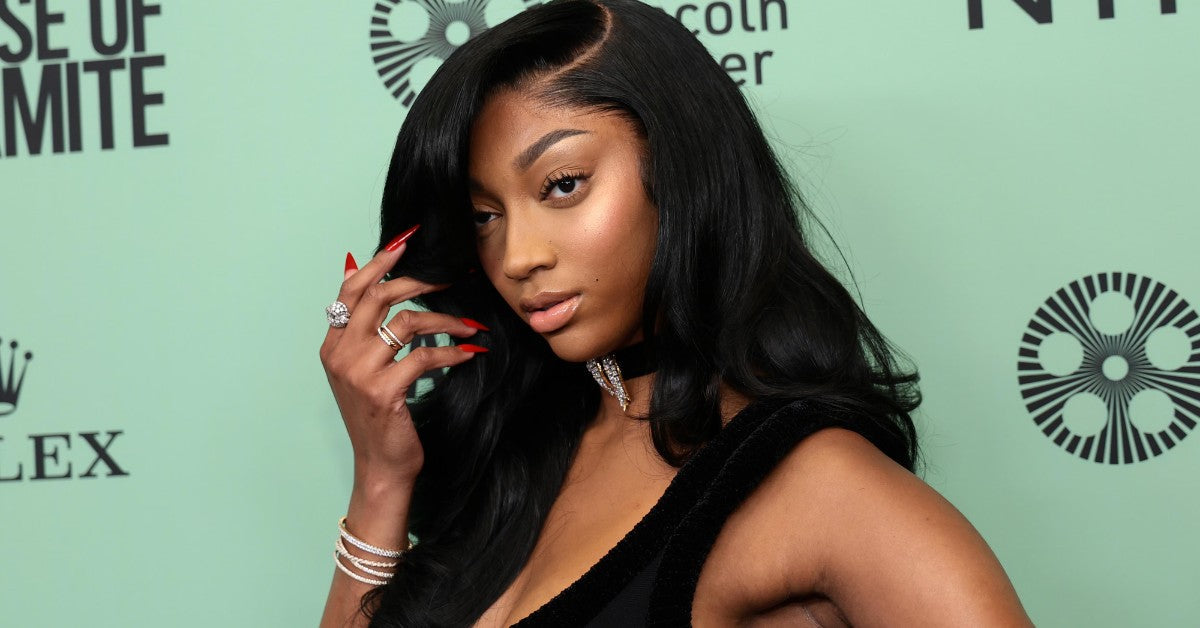
In a cultural moment where the intersection of sports, celebrity, and personal branding is sharper than ever, Angel Reese—a name synonymous with both athletic excellence and unapologetic self-expression—has found herself at the center of yet another public conversation. While most headlines this year have captured her basketball prowess and burgeoning commercial appeal, a recent wave of attention has focused on a different kind of reveal: Reese’s decision to drop a sizzling lingerie photoshoot. The move, which fans and commentators alike scrambled to interpret, goes far beyond a fleeting viral moment. It raises pointed questions about the evolving role of athletes as multifaceted public figures, the shifting expectations placed on women in sports, and the power dynamics at play in personal branding.

The Context: Angel Reese’s Meteoric Rise
Before delving into the implications of Reese’s lingerie shoot, it’s crucial to recognize her trajectory. Angel Reese has rapidly ascended as one of basketball’s most influential young stars, celebrated for her dominance on the court and her magnetic off-court persona. Her jersey sales have reportedly soared, and her name has become a fixture in conversations about the future of women’s sports.
Yet, it is not just athletic achievement that defines Reese’s public image. She is emblematic of a new generation of athletes who wield their social media presence, fashion choices, and personal narratives as tools for self-branding and empowerment. In a landscape where visibility can translate to lucrative endorsement deals and lasting cultural impact, Reese’s every move becomes a lens through which we examine the evolution of athlete influence.

The Lingerie Photoshoot: A Calculated Statement?
The recent lingerie reveal, while not detailed in the available summary, has nonetheless sparked widespread attention. For some, it’s a bold assertion of self-confidence—a message that female athletes need not be confined to the traditional boundaries of sportswear and team colors. For others, it prompts uncomfortable questions about the objectification of women in sports, and the pressures athletes face to market themselves beyond their athletic abilities.
- Self-expression: Reese’s photoshoot can be seen as a celebration of her individuality, challenging conventional norms about how women in sports should present themselves.
- Brand strategy: In an era where personal branding is as critical as athletic performance, Reese’s choice may reflect a nuanced understanding of how to remain culturally relevant.
- Public reaction: The move has divided opinion—some hail it as empowering, while others question the underlying motivations and societal pressures at play.

Athlete Branding in the Age of Social Media
Reese’s lingerie reveal is emblematic of a broader trend in athlete branding. Social media platforms have democratized visibility, allowing athletes to curate their own stories and aesthetics. This shift has empowered figures like Reese to defy expectations and expand their influence into realms traditionally reserved for entertainers and fashion icons.
The implications are profound. No longer are athletes simply representatives of their teams; they are entrepreneurs, influencers, and advocates. Reese’s decision to foreground her personal style—and to do so in a manner that courts both controversy and admiration—underscores the changing nature of sports celebrity.
However, this new visibility comes with challenges. The pressure to engage followers and sponsors can sometimes run counter to the values of authenticity and privacy. Athletes like Reese must navigate a complex terrain where every post, every photoshoot, and every interview may be dissected for hidden meaning or commercial intent.

Gender, Empowerment, and the Double Standard
At the heart of the debate surrounding Reese’s lingerie photoshoot lies a persistent double standard. Male athletes have long enjoyed the freedom to explore endorsements and personal branding without fear of being reduced to their appearance. Female athletes, by contrast, often walk a tightrope—expected to embody both physical prowess and a marketable femininity.
Reese’s unapologetic self-presentation is a challenge to these norms. By asserting control over her image, she transforms what could have been a moment of vulnerability into one of empowerment. Still, it’s important to acknowledge the broader context: the commercial and societal forces that encourage women in sports to leverage their bodies as part of their brand.
The conversation is far from settled. As Reese’s photoshoot continues to circulate online, it prompts reflection on how society values women’s sports, how it defines empowerment, and what it asks of those who dare to step outside the prescribed lines.

The Cultural Conversation: Beyond the Viral Moment
Reese’s lingerie reveal is more than a viral sensation—it is a flashpoint in ongoing debates about athlete agency, gender equity, and the future of sports marketing. The discourse it has generated is indicative of deeper shifts in how we engage with public figures, especially those who challenge the boundaries of their respective fields.
- Agency: Reese’s actions highlight the importance of self-determination, reminding us that athletes are more than just performers—they are creators of their own narratives.
- Equity: The public’s reaction sheds light on persistent inequalities in how male and female athletes are perceived and marketed.
- Evolution: This moment may signal a new chapter in athlete branding, where personal style and self-expression are as central as athletic achievement.
For those who follow Reese’s career—and for anyone invested in the future of sports culture—her latest move is a compelling case study in the power, and the pitfalls, of visibility.


Conclusion: Redefining the Athlete’s Role
Angel Reese’s decision to drop a sizzling lingerie photoshoot is a reminder that the modern athlete is as much a cultural figure as a competitor. Her actions invite us to reconsider what it means to be empowered, what it means to control one’s image, and what it means to navigate the rapidly changing currents of fame and influence.
The debate will continue, and rightly so. Reese’s story is not just about a single photoshoot—it is about the ongoing negotiation between authenticity and commercialism, between self-expression and societal expectation. As athletes like Reese chart new paths, they invite the world to rethink not just what it means to be an athlete, but what it means to be seen.