On September 24, 2025, Alyssa Milano—a name synonymous with both Hollywood resilience and outspoken advocacy—unfurled a deeply personal chapter, announcing the removal of her breast implants. At age 52, Milano’s revelation transcended the realm of celebrity cosmetic choices, striking at the heart of cultural narratives around beauty, womanhood, and generational inheritance. Her story is not merely one of physical change, but of psychological emancipation, familial legacy, and a challenge to societal expectations that routinely shape—and distort—our sense of self.
Breaking the Silence: The Power of Going Public
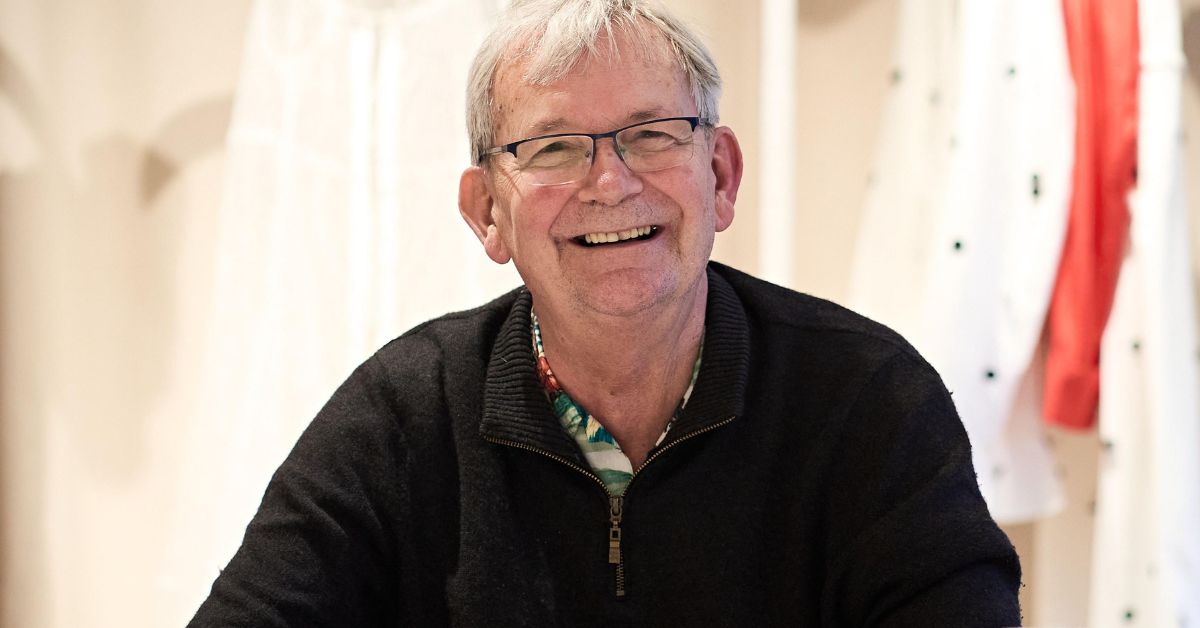
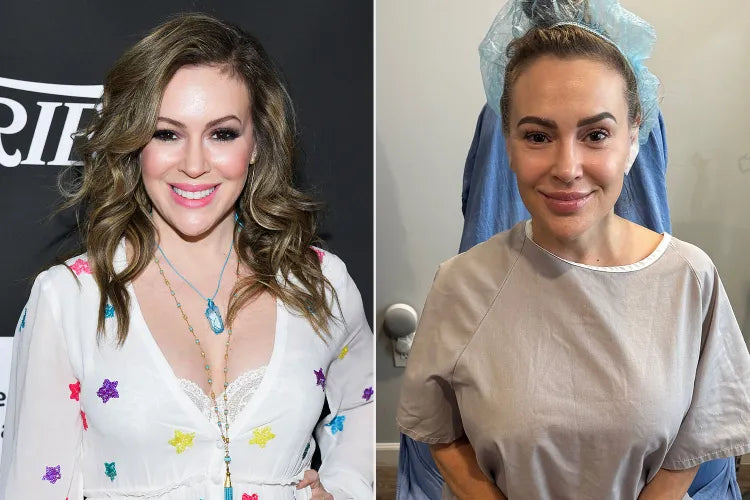
Milano’s announcement was as intentional as it was courageous. She posted a photo clad in a hospital gown, publicly tagging her plastic surgeon, Dr. Tim Neavin, and the prominent media personality Michelle Visage, whose own candor inspired Milano to share her journey. In doing so, she transformed a private medical procedure into a shared cultural moment—one that invites interrogation, empathy, and reflection.
Visage, herself a vocal advocate for transparency around cosmetic surgery, provided not just inspiration but a blueprint for public honesty. By acknowledging Visage’s role, Milano situates her personal decision within a wider community of women who navigate the complex terrain of body modification, self-worth, and public scrutiny.

Liberation from False Narratives: A Personal Reckoning
In her statement, Milano declared she was “releasing those false narratives, the parts of me that were never actually parts of me.” This phrase resonates far beyond the literal removal of implants—it signals a psychological exorcism of beliefs and pressures that have haunted her body image.
She reflects on years spent inhabiting a body “sexualized and abused,” shaped by the implicit demand that enhancements were essential to being attractive, loved, successful, or happy. Milano’s words echo the silent burdens borne by countless women, especially those in the public eye: the relentless commodification of female bodies and the insidious message that authenticity must be traded for desirability.
Her narrative is not one of regret, but of revelation. The act of letting go—of her implants, and the ideas they represented—marks a new chapter of self-acceptance, one rooted in the knowledge that worth is intrinsic, not contingent on surgical intervention.

Motherhood and the Inheritance of Beauty Ideals
Perhaps the most poignant dimension of Milano’s journey is her hope that her decision will “release her daughter Bella from unhealthy beauty demands.” In drawing this link between her own liberation and her daughter’s future, Milano underscores a generational ripple effect: the choices mothers make regarding their bodies inevitably shape the beliefs and expectations of their children.
Milano’s action becomes an act of maternal protection, a quiet rebellion against the cycle of inherited insecurity. By rejecting the narrative that enhancements are prerequisites for acceptance, she offers Bella—and, by extension, all daughters—a new paradigm: one where femininity and joy are found on one’s own terms.
Respecting Choice: A Nuanced Stance on Cosmetic Surgery
Crucially, Milano’s announcement is not a manifesto against plastic surgery, but a plea for autonomy and respect. She writes: “What is a false narrative for me may be the exact right thing for them, and I am so happy that we can all find our femininity and peace on our own terms.”
This perspective is both radical and compassionate. Milano recognizes that the journey to self-acceptance is intensely personal, and that for some, cosmetic procedures may be empowering or affirming. Her advocacy is not for a singular ideal, but for a pluralistic understanding of beauty, one that honors individual preferences and resists prescriptive norms.
- Alyssa Milano: Actress, activist, and now, a voice for body autonomy.
- Michelle Visage: TV personality whose openness about implants set a precedent for others.
- Dr. Tim Neavin: The plastic surgeon trusted with Milano’s procedure.
By publicly thanking Michelle Visage for her transparency, Milano acknowledges the collective power of storytelling. Each woman who shares her truth makes it easier for others to do the same, eroding stigma and broadening the spectrum of acceptable choices.
Health, Identity, and the Complexity of the Body
Milano’s journey is also shaped by her struggle with Hashimoto’s disease, an autoimmune disorder. This layer adds nuance to her decision: for many, cosmetic procedures intersect not just with aesthetics, but with health, well-being, and the search for bodily harmony.
Her openness about this medical context invites a broader conversation about the intersection of physical and mental health, and how the pursuit of beauty can both mask and amplify underlying struggles. In a culture where medical vulnerabilities are often hidden, Milano’s honesty is both refreshing and instructive.
The Joy and Freedom of Authenticity
Milano’s concluding statement is a manifesto for authenticity: “Today I am loved, I am feminine, I am attractive, and I am successful. None of that is because of my implants. I will still be all of those things when I wake up and they are gone. There is so much joy in that knowledge and freedom in letting go of what was never me in the first place. Today, I'm my authentic self. Today, I'm free.”
Her words recast the notion of beauty from something externally bestowed to something internally recognized. The joy she describes is not simply the absence of implants, but the presence of self-acceptance—a freedom many women spend lifetimes seeking.
Milano’s journey illustrates that authenticity is not a static state, but an ongoing process of discernment, courage, and letting go. It is in the space between loss and liberation that true elegance resides.
Implications for the Beauty Industry and Cultural Discourse
Milano’s public decision arrives at a moment when the beauty industry is under renewed scrutiny. The proliferation of cosmetic procedures, coupled with the rise of social media, has both democratized and intensified pressures to conform. Her story invites brands, practitioners, and audiences to reconsider the narratives they perpetuate and the values they endorse.
For fashion and beauty professionals, Milano’s statement is a clarion call: authenticity, not augmentation, must be at the heart of every campaign, product, and conversation. The future of beauty lies not in the erasure of difference, but in the celebration of choice—where every individual is free to define their own standard, unburdened by external expectation.
Conclusion: A New Chapter in the Beauty Conversation
Alyssa Milano’s breast implant removal is more than a personal milestone—it is a cultural reckoning. By challenging the false narratives that governed her self-image, she models liberation for her daughter and for every woman held captive by the dictates of beauty. Her story is a testament to the power of vulnerability, the importance of choice, and the possibility of joy found in authenticity.
As the beauty industry continues to evolve, Milano’s voice echoes as both a warning and an invitation: let us build a world where femininity is self-defined, where bodies are honored in their complexity, and where every woman is free—at last—to be herself.
For those navigating their own path in the landscape of body image and cosmetic choice, Milano’s journey offers a potent reminder: freedom begins the moment we let go of what was never truly ours.